


- Running Affiliate for Subscription Boxes: Structure, Partners, and Scale - April 13, 2026
- The Best Affiliate Agencies for Startups - April 6, 2026
- How to Find Instagram Influencers for Shopify in 2026 - April 3, 2026
Affiliate programs for subscription boxes aren’t like a normal affiliate program.
In a normal affiliate program, the math is pretty simple: a partner sends you a customer who buys a $60 product. You make $60 (minus costs), you pay the partner their cut, and everyone’s happy once the transaction is complete. In this case, the customer’s value is known at the moment they convert.
In a subscription box program, that same moment (the initial conversion) tells you almost nothing. Say someone subscribes to your $40/month box. Is that customer worth $40? $480? $1,200? You genuinely don’t know yet. It depends entirely on whether they cancel after month one, stick around for a year, or become the kind of subscriber who buys gift subscriptions for their friends.
But this is the part where it gets a little tricky: you’re paying your partner now, based on a customer value you won’t know for months. That means the moment of conversion and the moment of value are separated in time, and almost everything about how you structure, partner, and scale has to account for that gap.
What a Well-Run Subscription Affiliate Program Actually Looks Like

Affiliate is one of the most efficient growth channels available to subscription box brands, but only when the program is built around how subscription businesses actually work.
Here’s what that means in practice:
- Commissions grounded in your own LTV math, not competitor benchmarks
- A hybrid payout structure that rewards retention, not just acquisition
- A partner mix weighted toward content publishers and loyalty platforms over pure coupon volume
- Incrementality testing, through a tool like PartnerCentric’s Fuse, that tells you which partners are actually driving growth
- Cohort retention tracking at 60, 90, and 180 days as your north star metric
Brands that run affiliate as a pure acquisition play find that it works for a while. The ones that build for the full subscriber lifecycle will find time and time again that it keeps working.
1. Start With the Math, Not the Commission Rate

In a subscription model, a subscriber who stays four months and one who stays two years look identical at the point of conversion. They’re not, and your commission structure can’t treat them like they are.
Set your commission too high, and you lose money when subscribers churn early. Set it too low, and you lose good partners to competitors willing to pay more. You’re trying to price something whose value you won’t fully know for months.
So start with your own numbers. Specifically, start with your average subscriber LTV broken out by acquisition channel if you have the data. What does a subscriber referred by a content creator generate over twelve months? What about one from a coupon site? If you’re early and don’t have channel-level data yet, use your blended LTV and known churn curves as a baseline and get more precise as the data builds.
That LTV number is your commission ceiling. Build downward from there, accounting for gross margin, program overhead, and what you need to stay competitive for quality partners. The commission rate should be the output of that math, not the starting assumption.
2. Choosing a Commission Model That Actually Fits

Once you know what you can afford to pay, the next question is how to structure it.
Most programs start with a flat fee per new subscriber. It’s simple to manage, easy to explain to partners, and gives affiliates predictable income they can plan around.
Networks like Awin handle flat-fee programs well and can track recurring orders alongside initial conversions. The downside is the misalignment it creates. You pay the same commission for a subscriber who churns in six weeks and one who sticks around for two years. Over time, that tends to pull programs toward volume-focused partners and away from the content channels that drive better retention.
Recurring commissions fix that alignment problem. Partners earn a percentage of monthly revenue for as long as their referred subscriber stays active, which gives them a financial reason to care about retention, not just acquisition.
Impact and Partnerize both support this structure and let you set rules around pauses and cancellations, which matters because subscription customers often pause before they fully churn. The tradeoff is that recurring models are harder to forecast and a tougher sell to partners who want their money up front.
The model that tends to work best for programs with some history is a hybrid. A flat acquisition fee set above market rate, enough to attract quality partners, plus a retention bonus that triggers when a referred subscriber passes the 60 or 90-day mark. The tail payment doesn’t need to be large because it’s supposed to act as a filter.
Partners blasting low-quality traffic don’t earn it. Partners sending subscribers who actually fit your product do.
3. Finding the Right Partner Mix (Coupons, Content, and Loyalty Programs)
Most affiliate guides focus on which partner types drive conversions. For subscription boxes, the better question is which partner types drive subscribers who actually stay.

Coupon and deal platforms like RetailMeNot will try to top your program in raw volume. But their audiences are often responding to a discount, not genuine interest in your product. Once promotional pricing ends, churn spikes. There’s a place for coupon traffic, but if it becomes your primary channel, you end up on a treadmill: high volume in, high churn out.
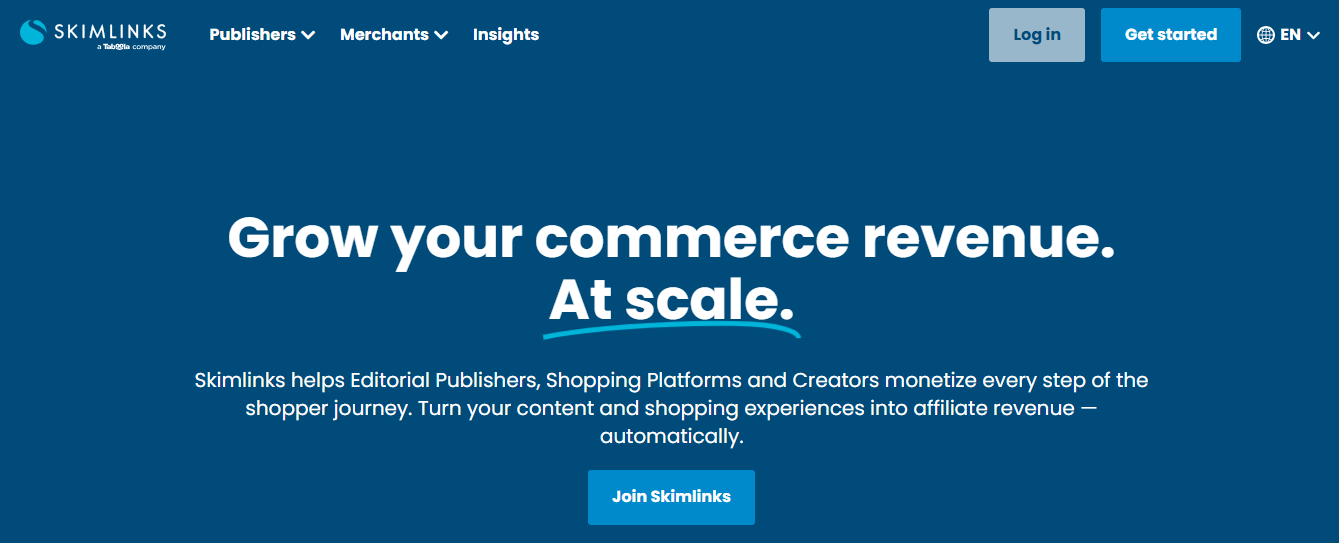
Content publishers work differently. A food subscription box featured in a newsletter for home cooks is reaching people who already care about what’s in the box. They convert more slowly but tend to stick around. Sites like Skimlinks aggregate editorial publishers across categories and surface niche partners you’d otherwise spend months finding on your own.
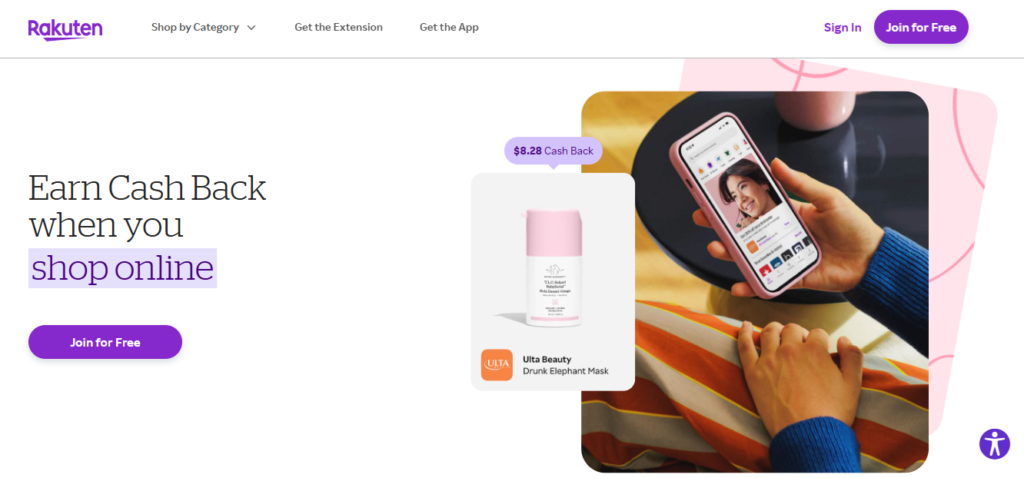
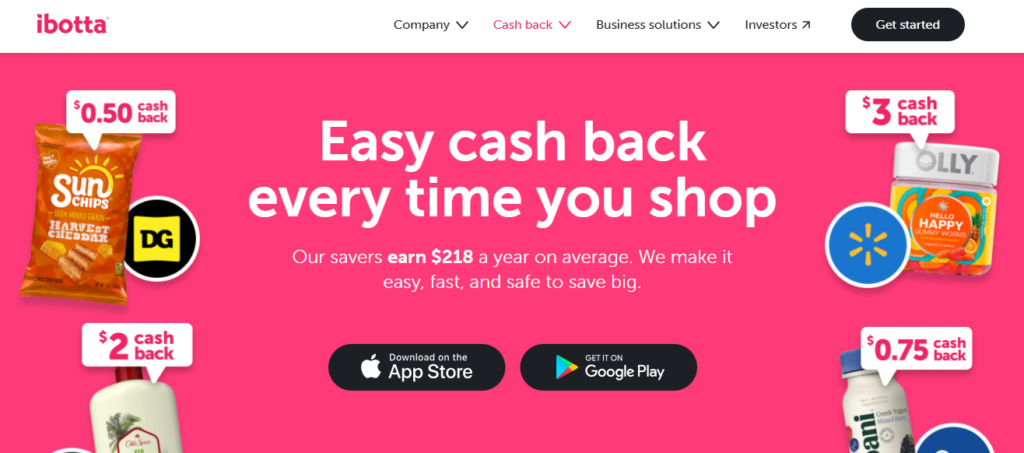
Loyalty and rewards platforms are underutilized in this space. Rakuten Rewards and Ibotta reach consumers who are deal-aware but brand-loyal, a profile that translates into better retention than pure discount seekers.

Getting this mix right from the start is exactly what PartnerCentric specializes in. They build affiliate programs for subscription and D2C brands with retention as the core lens, weighting toward partner types with strong cohort retention track records rather than raw conversion volume.
4. Attribution Shows Who Got Credit, Incrementality Shows Who Earned It

Last-click attribution, still the default across most affiliate platforms, gives full credit to whatever touchpoint came last before purchase. In practice, that often means a coupon site gets credited for a subscriber who found your brand through organic search, spent time researching it, made up their mind, and then went looking for a discount code right before checkout. The affiliate didn’t drive that subscriber, but instead showed up at the end of a decision that was already made.
At small-scale, this is a margin leak. At scale, it distorts your entire program strategy. Impact has invested in multi-touch attribution, which helps, but even that doesn’t answer the fundamental question: would this subscriber have converted anyway?
That’s what PartnerCentric’s Fuse tool is built to measure. Rather than parsing attribution credit, Fuse runs incrementality testing to identify which partners are actually influencing purchase decisions versus which ones are collecting commission on conversions that were going to happen regardless. For subscription box brands where every subscriber’s LTV matters, that distinction should be driving where you invest in your program.
What the data tends to show: content publishers and loyalty platforms score well on incrementality. Broad coupon and deal sites score lower. That doesn’t mean you cut coupon partners. It means you evaluate them on incremental contribution rather than attributed volume.
5. Running the Program Day to Day

Track retention by partner cohort, not just conversion volume.
Cohort retention at 60, 90, and 180 days tells you whether your affiliate channel is building a subscriber base or filling a leaky bucket. Awin and Impact can all export the transaction data you need, though you’ll likely have to build the cohort analysis yourself outside the platform.
Invest in your content creator relationships. Give them early access to upcoming boxes, real product context, and the freedom to respond genuinely. Creators who feel like actual partners produce better content, and better content sends subscribers who are more likely to stay. Treat every creator relationship as a one-time paid placement, and you’ll see one-time spikes. Keep them engaged, and you’ll build referral streams that compound.
Review your commission rates regularly. What you set at launch may not reflect what you know a year in, about which partner types are actually generating value. Build in periodic reviews and reallocate toward what’s working.
Finally, take compliance seriously as you scale. Toolbar extensions and coupon aggregators are known for injecting affiliate tracking late in the purchase journey, claiming credit for conversions they had no role in driving. Audit your attribution patterns and work with your program management partner to identify and remove bad actors before they become a meaningful margin problem.
Optimize for Who Stays, Not Who Signs Up
Affiliate for subscription boxes only works when you look beyond the initial conversion.
The most important signal is not who clicks or subscribes but who is still active months later. When you build around that idea, affiliate becomes a way to identify partners and audiences that create lasting value.
The brands that succeed are the ones that trust long-term performance and make decisions based on what keeps customers engaged over time.